
Introduction: Is Your Thyroid Working Overtime?
The thyroid is a small, butterfly-shaped gland at the front of your neck. Despite its size, it plays a vital role in controlling metabolism, energy levels, heart rate, and body temperature.
When the thyroid malfunctions, it can quietly disrupt your daily life. Symptoms are often vague and can be mistaken for stress, aging, or fatigue. Many people live with thyroid issues for years without realizing the cause.
Early screening is crucial. Simple blood tests can detect hormonal imbalances at an early stage. Timely diagnosis allows proper medical care and better long-term outcomes.
What Is the Thyroid Gland and How Does It Work?
To understand thyroid problems, it is important to know how the thyroid gland functions. This small gland is critical for overall health and well-being.
Role of the Thyroid in the Body
The thyroid controls how the body uses energy. It affects nearly every organ, including the heart, brain, muscles, and digestive system. By regulating metabolism, the thyroid determines how fast or slow the body works daily.
Thyroid Hormones and Metabolism
Thyroid hormones directly influence metabolic rate. They help the body convert food into energy efficiently. When hormone levels are balanced, energy remains stable, body temperature is normal, and weight is healthy. Imbalances can speed up or slow down the body, causing noticeable physical and emotional changes.
Why Thyroid Balance Is Important
Maintaining the right balance of thyroid hormones is essential for well-being. Even small hormonal changes can affect the heart, mental clarity, digestion, and reproductive health. Balanced thyroid activity supports steady energy, stable mood, and healthy growth at every age.
Understanding Thyroid Dysfunction
Thyroid dysfunction happens when the thyroid produces too much or too little hormone. This imbalance can disrupt metabolism, mental health, and physical performance.
What Is Thyroid Dysfunction?
Thyroid dysfunction occurs when hormone levels fall outside the normal range. Doctors usually detect it through a blood test that measures thyroid hormones. Both high and low hormone levels can cause serious health problems if left untreated.
Overactive Thyroid (Hyperthyroidism) Explained
An overactive thyroid produces too many hormones. This speeds up the body’s metabolism. Common symptoms include rapid heartbeat, unexplained weight loss, excessive sweating, and nervousness. If not managed with proper medical care and regular screening, hyperthyroidism can strain the heart and bones.
Underactive Thyroid (Hypothyroidism) Explained
An underactive thyroid produces too few hormones, slowing metabolism. Symptoms may include fatigue, weight gain, cold intolerance, and depression. Hypothyroidism is common and can often be managed effectively with early diagnosis and ongoing monitoring.

Common Thyroid Symptoms You Should Not Ignore
Early detection of thyroid symptoms can prevent complications. It also helps doctors provide effective treatment. Symptoms may vary depending on age, gender, and the type of thyroid issue.
Physical Symptoms of Thyroid Dysfunction
Thyroid problems can cause physical changes. Common signs include tiredness, sudden weight gain or loss, hair thinning, dry skin, irregular heartbeat, and appetite changes. These symptoms often appear gradually, so they can be easy to miss without proper screening.
Emotional and Mental Health Symptoms
Thyroid dysfunction can affect your mental well-being. People often feel anxious, irritable, or moody. Poor concentration and memory problems are also common. These signs are often mistaken for stress, which can delay diagnosis.
Symptoms in Men, Women, and Children
Symptoms can differ by gender and age. Women may experience irregular periods or fertility problems. Men may feel weak or have low energy. In children, thyroid problems can affect growth, development, and school performance. Therefore, timely screening is important for everyone.
Causes and Risk Factors of Thyroid Disorders
Thyroid problems can occur due to many factors. These include medical, nutritional, genetic, and lifestyle causes. Understanding these factors helps people know their risk. Early awareness allows for timely screening and treatment.
Autoimmune Conditions Affecting the Thyroid
Autoimmune diseases are a common cause of thyroid problems. In these cases, the immune system attacks the thyroid gland by mistake. This attack can either increase or reduce hormone production. As a result, it may cause an overactive or underactive thyroid. People with autoimmune thyroid disorders often need regular thyroid tests. These tests help monitor hormone levels and prevent complications.
Nutritional Deficiencies and Iodine Imbalance
Proper nutrition is important for thyroid health. Iodine is essential for hormone production. Too little or too much iodine can disrupt thyroid function. Lack of other nutrients, like selenium and iron, can also cause thyroid symptoms. In areas with poor dietary intake, nutrient deficiencies are more common. Eating a balanced diet helps support normal thyroid function.
Genetic and Lifestyle Risk Factors
Family history can increase the risk of thyroid disorders. Lifestyle factors also play a role. Stress, smoking, poor diet, and exposure to environmental toxins can affect thyroid health. Women, older adults, and people with other hormonal conditions are at higher risk. For these groups, regular thyroid screening is highly recommended.
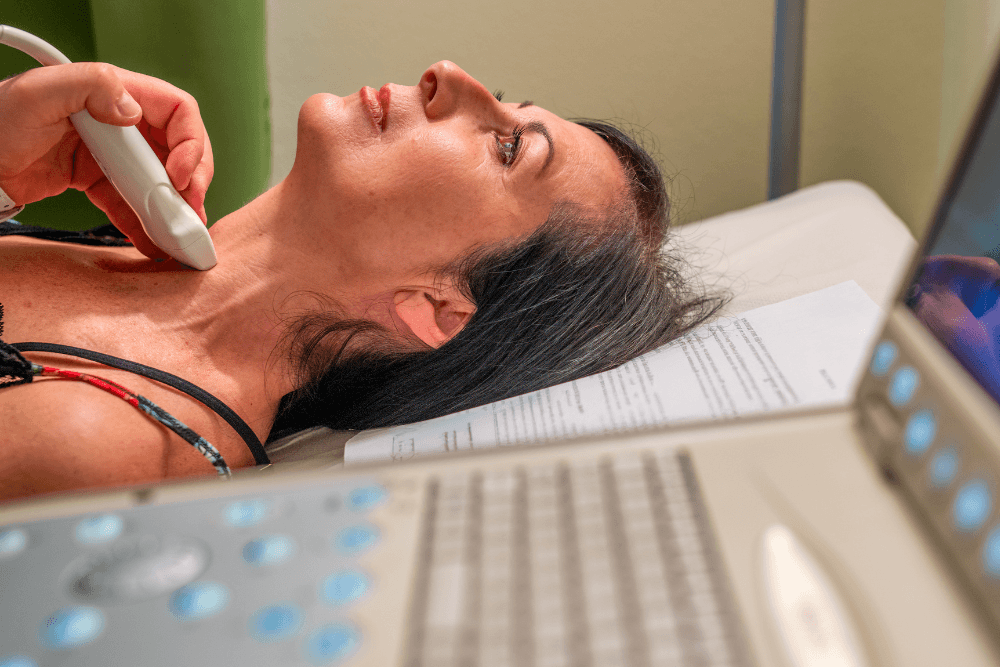
When Should You Consider Thyroid Screening?
Thyroid screening is important for catching hormone imbalances early. Early detection can prevent serious health problems. Many people delay testing because symptoms are subtle. Awareness is key to timely care.
Warning Signs That Require a Thyroid Test
Watch for persistent fatigue, unexplained weight changes, or irregular heartbeat. Hair thinning, mood swings, and low energy are also common signs. If these symptoms continue without a clear cause, a thyroid test can help find the underlying problem.
Thyroid Screening During Routine Checkups
Thyroid tests are often part of regular health checkups. Adults over a certain age or those with medical conditions should have routine screening. Regular testing helps detect thyroid problems even before obvious symptoms appear.
Screening for High-Risk Individuals
Some people are at higher risk for thyroid disorders. This includes individuals with a family history of thyroid disease, autoimmune conditions, pregnancy-related hormone changes, or past radiation exposure. For these groups, regular screening is strongly recommended to protect long-term health.
Types of Thyroid Tests Used for Diagnosis
Accurate diagnosis of thyroid problems depends on specific blood tests. These tests measure hormone levels and immune activity. They provide key information for doctors to interpret results and plan treatment.
TSH (Thyroid Stimulating Hormone) Test
The TSH test is the most common thyroid screening tool. It measures the hormone that signals the thyroid to produce its own hormones. Abnormal TSH levels can indicate an overactive or underactive thyroid. Doctors use these results to decide if further testing is needed.
T3 and T4 Hormone Tests
T3 and T4 tests measure the actual thyroid hormones in the blood. They confirm the type and severity of thyroid dysfunction. These tests are essential for accurate diagnosis and ongoing monitoring of thyroid health.
Thyroid Antibody Tests
Thyroid antibody tests detect autoimmune-related thyroid disorders. They show if the immune system is affecting the thyroid. These tests support precise diagnosis and help doctors manage thyroid conditions over the long term.
How Thyroid Test Results Are Interpreted
Doctors interpret thyroid test results by looking at TSH, T3, and T4 levels together. They also consider symptoms and medical history. Professional interpretation is crucial because hormone levels can be affected by medications, stress, and other health factors.
How Thyroid Testing Is Performed
Thyroid testing is simple and reliable. It accurately measures hormone levels and helps detect thyroid problems. Knowing how the test is done can help patients prepare and feel confident.
Blood Sample Collection Process
A thyroid test uses a small blood sample. Trained medical staff draw it from a vein in the arm. The process is quick, safe, and causes minimal discomfort. The sample is then sent to the laboratory. Strict quality standards ensure accurate and reliable results.
Preparation Before a Thyroid Test
Most thyroid tests require no special preparation. Patients should inform the laboratory about any medications, supplements, or health conditions. This ensures accurate results. Following the lab’s instructions helps doctors interpret the test correctly.
Is Fasting Required for Thyroid Screening?
Fasting is usually not needed for a thyroid test. However, if the test is part of a larger blood panel, fasting may be required. Always follow the instructions given when booking the test to avoid repeating it.
Benefits of Thyroid Testing at Mughal Labs
Choosing a trusted laboratory is important for accurate diagnosis and proper management of thyroid problems. Mughal Labs provides reliable and patient-focused thyroid testing services in Lahore.
Accurate Thyroid Screening and Analysis
Mughal Labs follows standardized protocols and strict quality checks. Each thyroid test is carefully processed. This ensures accurate results and supports correct diagnosis and treatment planning.
Advanced Laboratory Technology
The lab uses modern diagnostic analyzers and advanced equipment. This technology improves accuracy, reduces errors, and delivers results quickly. Fast and reliable testing helps doctors make timely decisions.
Experienced Medical Professionals
Qualified medical staff and laboratory technologists handle every stage of testing. Their expertise ensures proper sample handling, precise analysis, and dependable reporting.
Affordable Lab Test Rates in Lahore
Mughal Labs offers transparent and competitive lab test rates. Affordable pricing makes thyroid screening accessible for everyone. Regular testing helps people stay proactive about their health.
Patient Convenience Services at Mughal Labs
Mughal Labs makes thyroid testing easy and stress-free. Moreover, they offer several services to help patients get tested and treated comfortably.
Home Sampling for Thyroid Tests
Patients can have their thyroid test done at home. In this service, trained staff safely collect blood samples. It is therefore ideal for busy people, older adults, and those with mobility challenges.
Online Reports for Fast Results
Thyroid test results are available online. As a result, patients can view them anytime and anywhere. Additionally, online access allows quick sharing with doctors and speeds up treatment planning.
Medicine Home Delivery Support
Mughal Labs delivers prescribed medicines to patients’ homes. This service begins after test results and doctor consultation. Consequently, it helps patients start treatment quickly and avoid delays.
Doctor’s Appointment Coordination
Patients can schedule a doctor’s appointment at Mughal Labs. During the appointment, doctors review test results and provide expert advice. In addition, coordinated care ensures smooth follow-up from testing to treatment.
Managing Thyroid Dysfunction After Diagnosis
Once thyroid dysfunction is diagnosed, proper management and regular follow-up are very important. In addition, these steps help maintain long-term health and prevent complications.
Importance of Medical Guidance
Thyroid disorders require professional medical supervision. For example, treatment plans are customized based on test results, symptoms, and individual health needs. Moreover, medical guidance ensures safe and effective management of hormone levels.
Monitoring Thyroid Levels Regularly
Regular thyroid screening helps track hormone levels and check how well treatment is working. Consequently, periodic testing allows timely adjustments to therapy. As a result, patients can maintain stable long-term outcomes.
Lifestyle and Follow-Up Testing
Healthy lifestyle choices are essential for managing thyroid dysfunction. This includes balanced nutrition, stress management, and following prescribed treatments. Furthermore, follow-up testing ensures thyroid levels stay within a healthy range and supports overall well-being.
Frequently Asked Questions (FAQs)
Early symptoms of thyroid problems can include unexplained fatigue, sudden weight changes, hair thinning, dry skin, mood swings, anxiety, or irregular heartbeat. By recognizing these signs early and taking a thyroid test, patients can detect issues before complications develop.
The frequency of thyroid testing depends on age, risk factors, and symptoms. Adults with no symptoms may get screened every few years. However, high-risk individuals or people with symptoms may need yearly or more frequent tests to monitor hormone levels.
Some thyroid disorders, especially autoimmune-related conditions, can be lifelong. Others may be temporary and treatable with medication. Regular testing and medical guidance help manage the condition effectively.
Thyroid tests in Lahore are generally affordable. Prices vary depending on the lab. Mughal Labs offers clear and competitive lab rates, making thyroid testing accessible and reliable.
Thyroid dysfunction often starts with subtle signs. For example, you may notice unexplained fatigue, sudden weight changes, or hair thinning. Additionally, dry skin, mood swings, anxiety, or irregular heartbeat can appear. Therefore, recognizing these early symptoms and getting a thyroid test promptly can help detect issues before they become serious.
Conclusion
Thyroid health is very important for energy, metabolism, mental clarity, and overall well-being. Therefore, early recognition of thyroid problems through proper testing is essential. This helps ensure timely treatment, prevent complications, and support long-term health.
Routine screening is especially useful for high-risk individuals or those who notice symptoms. By understanding your thyroid levels, you can take proactive steps toward better health and improved daily life.
Call to Action
Take control of your thyroid health today. You can book a thyroid test at Mughal Labs for accurate, reliable, and affordable screening. First, benefit from advanced laboratory technology. Then, use Home Sampling, Online Reports, and Doctor’s Appointment coordination for a smooth testing process. Finally, get results and guidance conveniently, without stress. Contact Mughal Labs now to keep your thyroid working optimally and maintain your overall well-being.